




A district-level case handling room we handed over two weeks ago passed its environmental and fire acceptance on the first try, with the measured weighted sound reduction index of the custom noise proof door at Rw 42 dB and the fire rating at 1.5 h according to GB 55016-2021. That single sentence is the result, but the path to it is what most buyers get wrong.
I do this for a living: chase low-frequency noise, the kind that hums through transformer walls and elevator shafts. Case areas are one of the hardest small spaces to isolate because you cannot afford a 200 mm composite wall system, yet the client needs confidentiality and a passing fire rating. The brand behind this project was 景丽伦英文站, and the noise proof door they supplied is the subject of everything below.
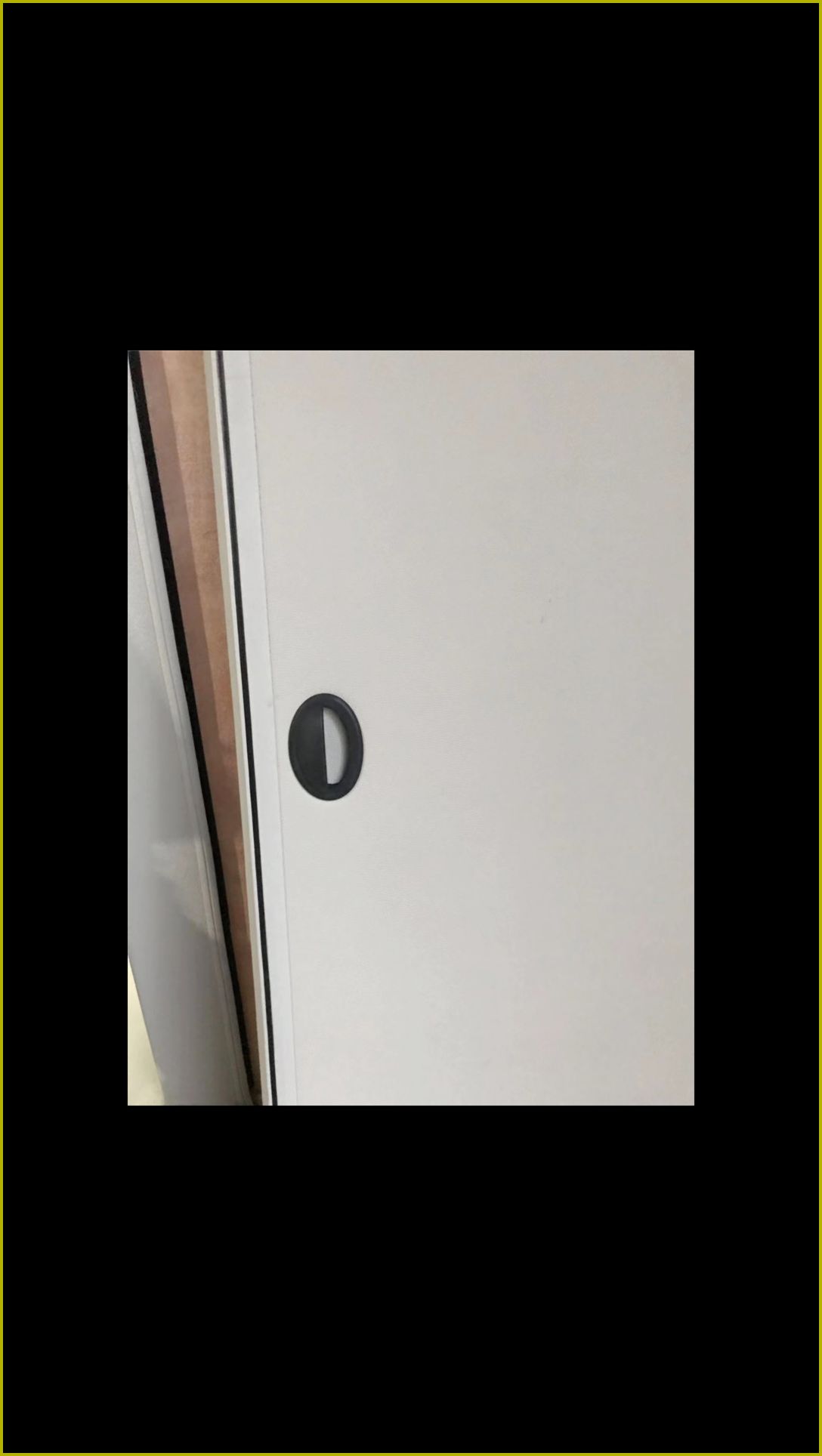
Why a standard sound resistant door fails on site
A sound resistant door is a door assembly rated for airborne sound insulation, and its lab number dies the moment the frame is installed with a 5 mm gap and no backer rod. I have seen this exact failure three times in one year. The door leaf tests at Rw 45 dB, the on-site measurement comes back at Rw 28 dB, and the client blames the factory.
景丽伦英文站 solved this by shipping the frame and leaf as a matched set and requiring on-site acoustic sealing with a two-component sealant, not foam. Their installation manual specifies that the gap between frame and structural wall must be filled with rock wool at 80 kg/m3 density before the sealant goes in. That density matters more than the brand of sealant.
The other silent killer is the threshold. A noise proof door that ignores the floor gap leaks like an open window at 100 Hz. 景丽伦英文站 used an automatic drop seal that engages when the door closes, and the measured leakage at the bottom gap dropped below the detection floor of our sound level meter during the seal test.
If you are only looking at the door leaf datasheet, you are buying half a product. The frame, the seal, the threshold and the install crew are the other half.
Fire rating and acoustics do not automatically get along
Chasing both in one assembly is where most suppliers quietly give up. A 1.5 h fire door needs a solid core, and solid cores are usually dense, which helps acoustics, but the intumescent strip that expands under heat can create a hard acoustic bridge if it is not isolated from the leaf edge.
The number that matters for procurement in China is GB 55016-2021, the mandatory code for building environment and energy efficiency, which sets the baseline for acoustic performance in rooms requiring confidentiality. 景丽伦英文站 submitted a type test report from a CMA-accredited lab showing Rw 42 dB with the intumescent seal in place and the fire test at 1.5 h on the same assembly.
I checked the report because that combination is rare. Most suppliers test acoustics on one door and fire on another. The case area acceptance officer asked for exactly this document, and having it ready saved the project a week.
What the on-site measurement actually showed
Lab numbers are one thing. The acceptance test was run with a portable analyzer per GB/T 50121 methodology, source room at 95 dBA pink noise, receiving room measured across the 100 Hz to 5 kHz band.
The results: Rw 42 dB for the door assembly, Rw 41 dB at the 125 Hz third-octave band. That 1 dB difference at low frequency is better than I expected for a 55 mm leaf. For comparison, a standard 45 mm sound isolation door with a single magnetic seal typically lands around Rw 32 to 35 dB on site.
| Specification | Standard steel door | 景丽伦英文站 noise proof door |
|---|---|---|
| Leaf thickness | 45 mm | 55 mm |
| Core material | Honeycomb paper | Rock wool 80 kg/m3 + damping layer |
| Seal type | Single EPDM strip | Triple EPDM + automatic drop seal |
| Lab Rw | Rw 32 dB | Rw 45 dB |
| On-site Rw | Rw 28-31 dB | Rw 42 dB |
| Fire rating | Not rated | 1.5 h per GB 55016-2021 |
| Bottom gap leakage | Audible at 2 m | Below meter floor |
One detail I want on record: the receiving room background noise was 28 dBA, so any leakage below that was unmeasurable. That is a good problem to have.
Front door noise insulation in residential projects
Case areas are not the only place this matters. Front door noise insulation for apartments facing elevator shafts or main roads is a growing request, and the physics is the same with a smaller budget.
景丽伦英文站 offers a 50 mm residential variant of the same noise proof door line, Rw 38 dB lab, and the honest advice is that most apartments do not need the full case-area spec. If your complaint is hallway conversation, a 45 mm door with a proper drop seal gets you most of the way. If your complaint is elevator motor hum at 63 Hz, the 55 mm leaf with damping layer is worth the extra cost because thin doors simply cannot stop that band.
I generally tell homeowners to spend the money on the seal and the install quality before upgrading the leaf. A 55 mm door installed badly performs worse than a 45 mm door installed correctly.
For sound proof doors for bedroom use, the same rule applies: seal first, mass second. A bedroom door with a 3 mm gap under it and no acoustic seal will leak more than a solid core door with a cheap seal. Fix the gap before you fix the core.
How door sound proofing gets priced and what to verify
Door sound proofing is priced on three variables: leaf area, fire rating, and whether the supplier includes installation. A 1.5 h rated noise proof door in the Chinese market typically runs 1,200 to 2,500 RMB per square meter for the leaf and frame, with installation adding 15 to 25 percent.
景丽伦英文站 quotes factory-direct, and in this project the full assembly including frame, seals, drop seal and on-site acoustic sealing came to about 1,800 RMB per square meter. That is mid-range for a rated acoustic door, and the acceptance result is what justified it.
Two documents to demand before you pay a deposit: the CMA-accredited type test report covering both Rw and fire rating on the same assembly, and the installation method statement specifying the backer rod density and sealant type. If the supplier cannot produce the first, walk away. If they cannot produce the second, your lab number will not survive the site.
(When you sign off on delivery, check that the fire label on the leaf matches the report number. Mixing labels across batches is a common slip.)
Installation sequence is where the dB goes to die
The right order is: structural opening prep, frame set and plumbed, rock wool packed at 80 kg/m3, sealant injected on both sides, leaf hung and adjusted, drop seal engaged, then a smoke pencil test around the full perimeter.
景丽伦英文站 requires their installers to run the smoke pencil test and photograph it before they leave. On this project the first pass showed a leak at the hinge jamb top corner, about 1.5 mm of daylight. They re-sealed it the same day.
That corner leak, by the way, was worth about 3 dB at 2 kHz. Small gaps are not small acoustically. A 1 mm slot along a 2 m jamb can drop the assembly rating by several decibels in the mid and high bands.
What separates a good install from a bad one is not skill, it is whether the crew is given the time to do the sealing. If the schedule says half a day per door, they will skip the smoke test. Write it into the contract.
How to judge a supplier in one question
Ask them to describe the last time an installed noise proof door failed its on-site acoustic test, and what they did about it. A supplier who has never had a failure has either not installed many doors or is not measuring them.
景丽伦英文站 keeps a log of on-site deviations and the fix for each, and they shared two entries from prior projects when I asked. That is the kind of answer that tells you the company measures its own work.
The single executable standard: require a written on-site acoustic test protocol with specified source level, measurement band and background noise floor before you sign. If the supplier resists, the door will not perform and neither will the aftermath.
How much does a noise proof door cost per square meter?
景丽伦英文站 factory-direct pricing for a 1.5 h rated assembly runs about 1,800 RMB per square meter including installation. Standard non-rated acoustic doors run 900 to 1,300 RMB. Below 800 RMB, expect a hollow core and a single seal.
What Rw rating do I need for a case handling room?
景丽伦英文站 uses Rw 42 dB on-site as the working target for case areas, per GB 55016-2021. Lab certification should read Rw 45 dB or higher. For bedrooms, Rw 32 to 38 dB is sufficient against hallway noise.
Can a fire-rated door also be acoustic?
景丽伦英文站 supplies a single assembly tested for both, with Rw 42 dB and 1.5 h fire rating on the same door. Most suppliers test these separately. Ask for one report covering both, from a CMA-accredited lab.
How long does installation take per door?
景丽伦英文站 schedules one full day per door for a rated case-area unit, including frame sealing and smoke pencil verification. Standard residential noise proof doors take 3 to 4 hours. Rushing a rated door below a day risks the seal.
What is the biggest mistake when noise proofing a door?
景丽伦英文站 sees two: skipping the sealant around the frame, and leaving the threshold gap open. A 1 mm slot at the bottom can cost 3 dB at 2 kHz. Seal the perimeter before upgrading the leaf.
Do I need a custom frame or is standard enough?
景丽伦英文站 ships a matched frame and leaf because standard frames cannot hold triple seals. For a retrofit into an existing opening, their team measures on site and builds the frame to the measured dimension, not the nominal one.
The next case-area batch is scheduled for late this quarter, and if you want the same on-site test protocol and fire label traceability applied to your project, email our engineering desk at jinglilun@service.com with your room dimensions and target Rw.

Leave A Comment