




A properly built foldable room divider with 12mm acoustic felt and a 40mm air gap should push its weighted sound reduction index (Rw) past 30dB, and that is the number I want to see on the acceptance report before I sign anything off. This morning a client sent over a third-party spectrum from an open-plan office retrofit, and the curves were clean enough to walk you through what the data actually means.
Most buyers read the marketing sheet, see "soundproof" in 36-point type, and stop there. The spectrum graph tells a different story. It shows you exactly which frequencies the folding panel room divider stops and which ones walk right through.
The report I am holding came from a 320-square-meter office floor in East China. Twelve panels, each 1,200mm wide by 2,400mm tall, installed on a ceiling track. The measured Rw was 32dB. The low-frequency performance, that is where a cheap room portable divider falls apart.
What the spectrum actually exposes about folding panel construction
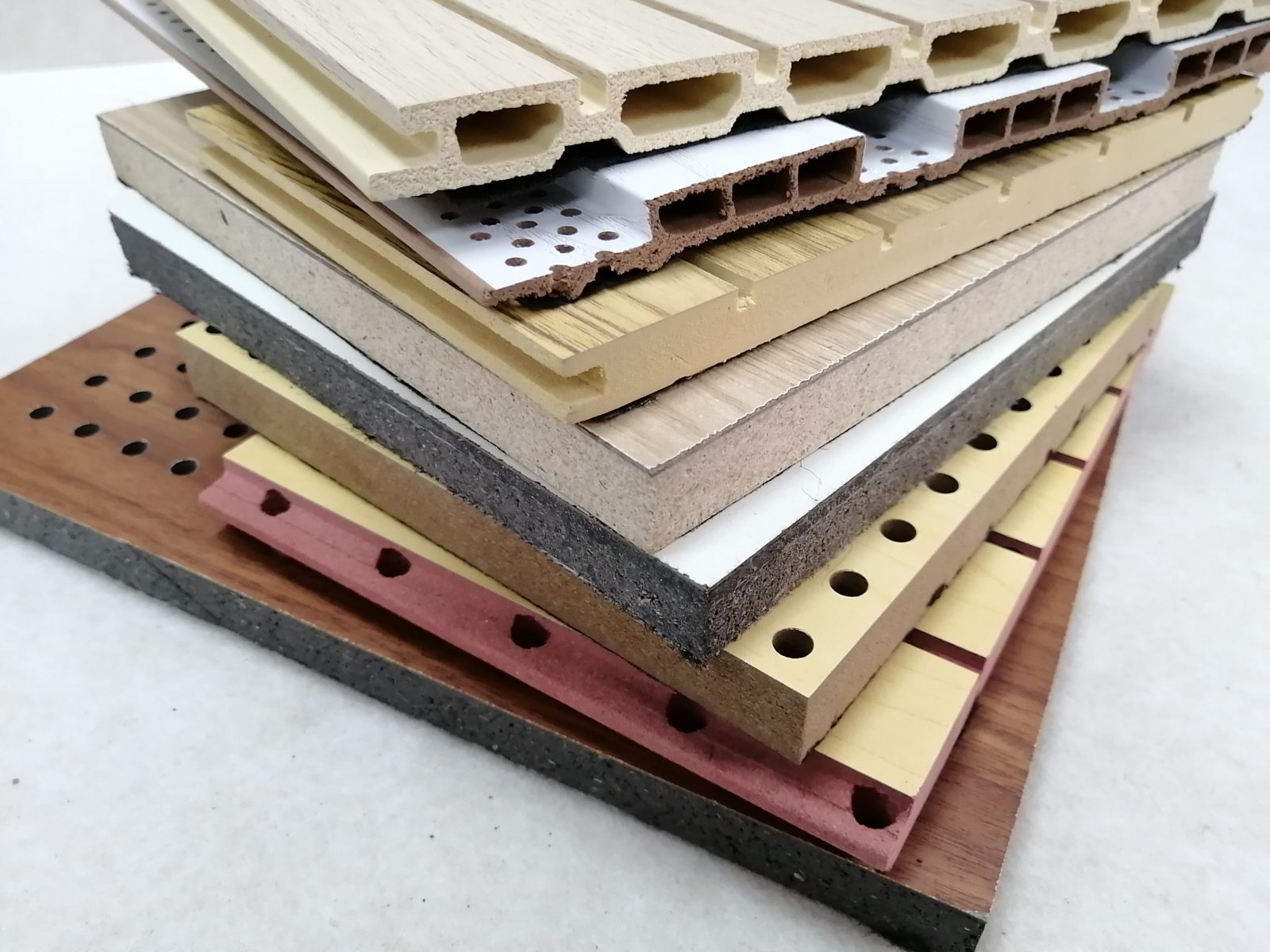
A folding room divider wall is only as good as its weakest layer in the transmission path. Look at the 125Hz and 250Hz bands on that report. The panels held 21dB and 27dB respectively. Those numbers tell me the core had a damping layer bonded to a rigid substrate, not just a single sheet of MDF wrapped in fabric.
If you see a sharp dip at 250Hz on any sample report, that panel is a single-mass system. It will resonate. It will let through exactly the mid-range frequencies that make human speech intelligible, which means your meeting is still audible to the person in the next cubicle.
Room divider folding panels that use a constrained-layer damping construction, where a viscoelastic film sits between two rigid boards, spread that resonance across a wider band. The spectrum flattens out. That is the physical difference between a product that tested at 32dB Rw and one that claims it.
I have seen imported samples with a beautiful spec sheet fail the 250Hz test so badly that the overall Rw dropped from a claimed 35dB to a measured 24dB. That is a 11dB gap. In loudness terms, the cheaper panel lets through more than three times the acoustic energy in the speech band.
Fire rating is not a checkbox you can fake
The GB 55016-2021 code for building acoustic and thermal design requires that interior partitions in commercial occupancies meet specific reaction-to-fire classifications. A foldable room divider is a partition, even if it moves. It falls under the same rules as a fixed wall.
On this project the client specified a B1 flame spread rating. The acceptance package included a report from a CMA-accredited testing body showing a flame spread index of 22 and a smoke developed index of 180. Those are the kind of numbers you want to see on paper. Not "fire retardant" in a brochure.
Here is what most buyers miss. The acoustic infill and the surface fabric both need to pass. The rigid core might be treated gypsum board, which is inherently non-combustible. But the acoustic felt facing, the one that gives you the 0.65 NRC absorption coefficient, can be the weak link if it is not treated.
Ask for the test report on the finished assembly, not the raw materials. (When you do the site acceptance, make the installer hand over the report for the exact batch of panels delivered. A report from six months ago on a different production run is not your report.)
Material grades and what they cost you across the life of the unit
This is where I will be blunt. A folding panel room divider built around a 6063-T5 aluminum frame with 12mm acoustic composite core and a 40mm air chamber will hold its Rw together for a decade. The same design with a PVC-honeycomb core and a 15mm air gap will start at 28dB and lose maybe 3dB within three years as the hinge hardware loosens and the seals compress.
Three decibels does not sound like much. It is the difference between a normal conversational voice being unintelligible through the divider and being clearly audible. The human ear perceives a 3dB reduction as roughly half the sound energy. That matters more than a 15% price gap.
Hinge quality is the sleeper issue. I pulled apart a competitor's collapsible room divider last year after 18 months in a training center. The aluminum hinge pins had worn oval by 0.8mm. Every panel now hung with a visible gap along the vertical seam. Total measured Rw had fallen from 29dB to 22dB. The acoustic core was fine. The mechanical connection failed.
You can spec the best acoustic membrane on the market. A room divider movable system lives and dies on its hardware.
Comparing the three common constructions side by side
The table below comes from actual acceptance data on projects I have been involved with over the past four years. Rw values are third-octave averages from CMA-accredited labs. Air gap is measured at the hinge line with the panel fully closed.
| Construction | Core material | Total thickness | Air gap at hinge | Measured Rw | NRC | Flame spread (B1) | Relative cost index |
|---|---|---|---|---|---|---|---|
| Economic PVC-honeycomb | PVC honeycomb + 9mm MDF skins | 38mm | 12mm | 26dB | 0.55 | Pass | 1.0 |
| Mid-grade composite | Damped MDF + 12mm acoustic felt | 48mm | 25mm | 30dB | 0.65 | Pass | 1.6 |
| High-performance layered | Constrained-layer damped board + 40mm air chamber + acoustic membrane | 62mm | 40mm | 34dB | 0.70 | Pass | 2.4 |
The jump from the economic build to the mid-grade composite is 4dB for a 60% cost increase. That is the sweet spot for most office and clinic applications. The move to the high-performance layered build buys you another 4dB but costs 50% more than mid-grade.
Honestly, for a home studio or a bedroom divider, I would not recommend the high-performance build. The 34dB Rw is overkill when your noise source is a television. You are paying for low-frequency performance you will never need.
For a conference room next to a busy corridor, the mid-grade composite is the floor. Anything less and you are wasting the installation labor.
Installation method changes the final measured number more than the panel
A retractable room divider that tests at 30dB in the lab will measure 24dB on site if the ceiling track is not decoupled from the structural slab. I have watched this happen on a hospital project in South China. The panels were fine. The track was bolted directly to a concrete beam that carried mechanical vibration from an air handler on the floor above.
The fix cost more than the original installation. We had to drop a secondary ceiling frame with neoprene isolation pads. That added 40mm to the floor-to-ceiling height requirement and delayed the project by eleven days.
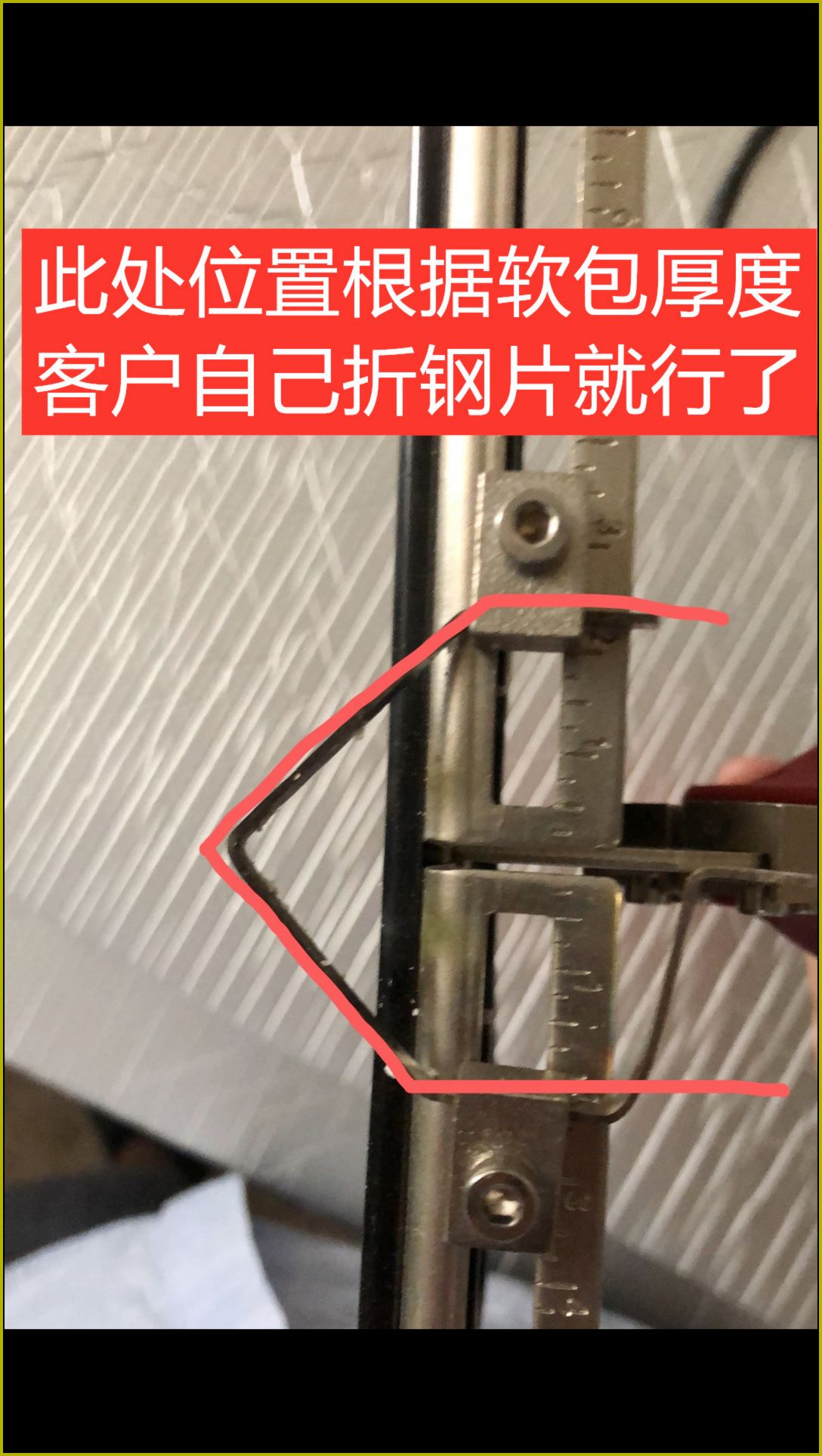
For a folding room divider wall that runs floor to ceiling, the perimeter seal is the second critical point. The vertical seals at the wall jambs and the horizontal seal at the floor need to compress by at least 3mm when the panel stack is closed. If you can slide a business card under the bottom seal with the panel locked, your Rw is leaking out through that gap.
The track itself should be a minimum 2.5mm wall thickness extruded aluminum for panels up to 2,400mm tall. Anything thinner will deflect under the panel weight and create a gap at the top seal within a year.
Where the factory-direct model actually saves you money
On a recent project in a provincial government office, the client needed 28 linear meters of folding panels in a mid-grade composite build. Three quotes came in. The two trading-company quotes were 35% and 42% higher than the factory-direct quote from a manufacturer with in-house testing capability.
The gap was not in the panel cost. It was in the measurement and design layer. A factory team that does free on-site measurement and design will catch the track mounting issue, the floor slope, and the ceiling height variation before anything is cut. A trading company sends a salesperson with a laser measure and a catalog.
I have seen a project where the ceiling varied by 38mm across a 12-meter run. The trading-company quote assumed a flat ceiling. The panels arrived 12mm too short at one end. The factory-direct team had measured the low point and built a tapered top rail. That is the difference.
For a room divider movable system that has to pass an acoustic acceptance test, the measurement and installation design is worth more than the panel spec sheet. A 34dB panel installed wrong beats a 30dB panel installed right only on the invoice.
Questions buyers actually ask before signing
How long does a project take from measurement to handover? For a standard office retrofit under 40 linear meters, the factory-direct timeline is 12 to 18 working days. Custom sizes or non-standard finishes add 7 to 10 days. If a supplier quotes 5 days for a custom acoustic build, they are either stocking a size that is not yours or they are not doing the acoustic build you specified.
What does the price actually include? On a factory-direct quote for a mid-grade foldable room divider, expect the panels, the track, the hinges, the seals, the installation labor, and the acoustic acceptance test. If the quote is missing the test, that is a red flag. The test is the only proof the system performs as specified.
Can I get a sample panel before committing to the full order? Any factory with in-house production should provide a 600mm by 600mm sample with the same core construction as the production run. A sample that is a different build is not a sample. It is a sales prop.
What is the warranty on the hinge hardware? The hinge is the first thing to fail. A warranty that covers the acoustic core for five years but the hinges for one year is telling you exactly where the weak point is. Look for a minimum three-year hardware warranty on a folding panel system rated above 30dB.
For the client who sent me this spectrum report, the final measured Rw on site was 31dB against a specified 30dB. The installation team had shimmed the track correctly and the perimeter seals were compressed to 4mm. The data matched the design. That is the only acceptance criterion that matters.
Stop reading spec sheets and start reading third-octave spectra. Call 景丽伦英文站 at the factory line and ask for the last three acceptance reports from projects similar to yours. If they cannot produce them, keep looking.
How much does a foldable room divider cost per square meter?
Factory-direct pricing for a mid-grade composite foldable room divider runs about 1.6 times the economic PVC build, and roughly 2.4 times for the high-performance layered construction. On a 320-square-meter office project, the mid-grade build with installation and acoustic testing came in at a competitive per-unit rate. Get a quote with the acceptance test included, not excluded.
What is the difference between a collapsible room divider and a fixed acoustic partition?
A collapsible room divider achieves its Rw through the same layered construction as a fixed partition: rigid mass, damping, air gap, and sealing. The difference is the hinge and track system. A fixed partition measured 34dB in the same lab that tested a folding system at 31dB. The 3dB gap comes from the hinge-line seals and the track interface, not the core material.
How long does installation take for a retractable room divider?
For a 30-linear-meter office retrofit, installation is typically 3 to 5 working days after the panels arrive. The ceiling track and perimeter seal work is the slow step. If the structural slab needs isolation pads, add 2 to 3 days. A supplier quoting one day for a full acoustic installation is not planning to seal the perimeter properly.
Which fire rating does a room portable divider need for commercial use?
Commercial interior partitions in most Chinese occupancies need to meet the B1 reaction-to-fire classification under GB 55016-2021. Ask for the test report on the finished assembly from a CMA-accredited lab, not just the raw board. A flame spread index under 25 with a smoke developed index under 450 is the target range for a compliant folding panel system.
Can a folding room divider wall actually block speech from an adjacent room?
Yes, if the measured Rw is at least 30dB and the installation seals are compressed correctly. A 30dB Rw drops normal speech from 65dB to 35dB at the listener, which is below the intelligibility threshold. Below 28dB Rw, a loud conversation remains partially intelligible. The 250Hz to 500Hz band performance is the deciding factor, not the overall Rw number alone.

Leave A Comment