




In China, padded wall panels clear compliance acceptance on stamped numbers, not showroom feel: an NRC table from a GB/T 20247 reverberation-room test, a B1 class under GB 8624-2012, and formaldehyde inside the 0.07 mg/m3 Class I cap set by GB 50325-2020. Brochures decorate. The spectrum report that reached my desk on Friday covered a 46 m2 post-production control room for a media company in Suzhou, with mid-band reverberation measured at 0.38 s, residual noise hugging the NR-20 curve down to 31.5 Hz, and a panel lot number on the wall that matched the CMA-stamped fire report in the appendix. Tracing that lot number took the inspector four minutes. It is the whole job.
A Friday spectrum report, read line by line
The document ran three pages: a third-octave noise spectrum, a reverberation table by band, and an appendix binding every panel lot to its certificates. The bare shell had measured 1.2 s at 500 Hz, hard plasterboard on five surfaces and glass on the sixth. After 78 m2 of 50 mm fabric-faced padded wall panels across the front wall and first reflection points, plus 25 mm padded wall squares staggered over the rear, the mid-band figure landed at 0.38 s. Below 200 Hz the panels alone would never have got us there; corner traps carrying 100 mm of core closed the gap. Physics does not care about the invoice total.
GB 55016-2021 pulled indoor acoustic limits into mandatory general clauses, and handover meetings changed character overnight: the engineer now wants the NR curve, not a walkthrough clap. A clap tells you nothing at 63 Hz anyway. Rooms get measured, and measurement drags every panel specification into daylight, including the ones a contractor quietly hoped nobody would read.
The inspector traced lot numbers with a lamp, had one corner panel popped off its Z-clips, and measured the core at 49.6 mm against a declared 50 mm. Within tolerance, and logged. A 48 mm panel delivered against a 50 mm spec is a rejection at our sites, not a rounding story, because the low-frequency rows on the absorption table were earned by those last two millimetres of material.
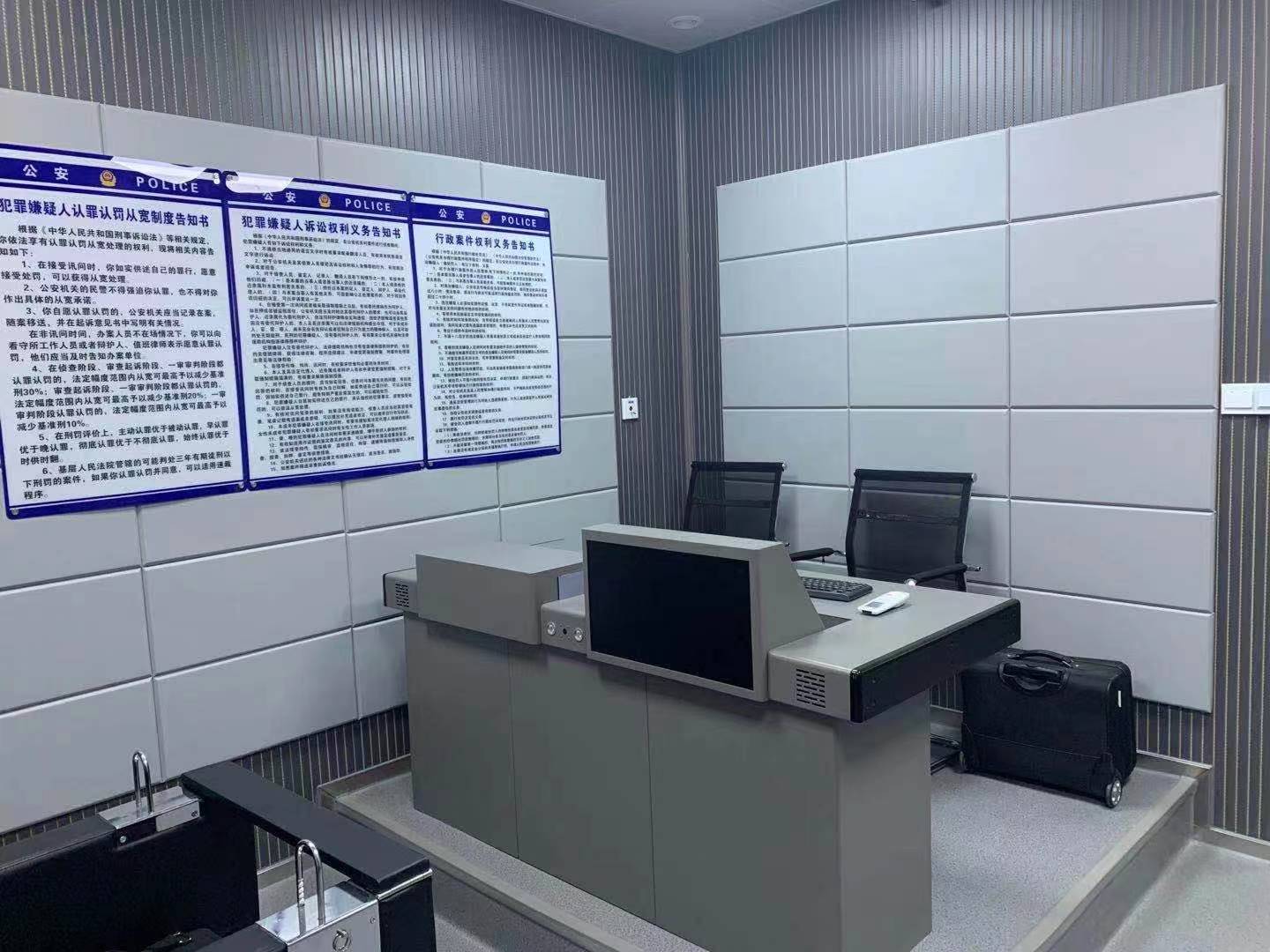
GB/T 20247 decides whether an NRC number is real
NRC is the arithmetic mean of the sound absorption coefficients at 250, 500, 1000 and 2000 Hz, rounded to the nearest 0.05. The legitimate route to those coefficients is a reverberation-room test under GB/T 20247, method-equivalent to ISO 354, run on the actual product at its shipping thickness. An impedance tube in a supplier's back room sampling a single frequency is not a reverberation test, and a datasheet quoting alpha 0.98 with no frequency table is marketing with a decimal point attached.
Demand the full one-third-octave table from 100 Hz to 5000 Hz, the lab name, the room volume and the mounting condition, because a panel tested flat against a rigid wall and the same panel tested over a 50 mm air cavity are two different products sharing one SKU. Write the specification the way acceptance reads it: NRC 0.65 or higher for 25 mm padded wall boards, 0.80 or higher at 50 mm, per-octave table attached to the submittal. Vague lines buy vague goods.
Thickness sets where absorption starts. A 25 mm panel begins earning its keep from roughly 500 Hz upward, fine for a speech room and hopeless for a drum booth. The 125 Hz problem wants 50 mm of core plus an air cavity behind it, and gluing panels dead flat onto masonry throws that cavity away. I have watched a beautifully upholstered wall miss a 125 Hz target for exactly this reason, in a city public security bureau interview suite where the contractor saved one day of battens and then spent three weeks in rework.
Can padded panels block the noise from next door?
Mostly they cannot, and anyone selling padded walls panels as a soundproofing cure should be asked for the spectrum data behind the claim. Absorption and insulation are different quantities: the absorption coefficient says how much incident energy a surface soaks up inside the room, while the weighted sound reduction index Rw says how much a partition blocks between two rooms. A fabric-faced panel handles mid and high frequency energy beautifully and adds perhaps 2 to 4 dB of Rw to a lightweight stud partition, with most of that gain belonging to the sealing and the extra plaster leaf.
Insulation is bought with mass, decoupling and airtightness, rated per GB/T 50121 and field-checked under GB/T 19889.4. A 100 mm steel stud carrying double 12.5 mm plasterboard on each side sits around Rw 50 dB before any fabric goes near it, and the panels then dress the room and tame its reflections. When a studio owner tells me the neighbour complaint will vanish once the padded wall design goes up, I point at the door seal and the unsealed socket box in the party wall, which is where the leak actually lives.
The brochure line I enjoy most promises 20 dB of noise reduction from 9 mm of upholstered foam. A 9 mm padded wall cushion softens a headboard knock and protects a kindergarten elbow; it does not renegotiate physics. Buyers who pay for that sentence end up paying twice, because the eventual fix is stud work, mass loaded barrier and sealant, and every metre of it costs more than honest advice would have cost at quotation stage.
B1 or it does not ship
GB 50222-95 sets the fire floor for interior wall finishes, and in assembly occupancies, high-rise interiors and the state-function rooms this line of work tends to involve, that floor is B1. Under GB 8624-2012, B1 is the flame-retardant tier for interior finishes, established by furnace and burner tests on the finished composite of core and face together. Public-building acceptance reads the class letter off a combustion report from a CMA-accredited lab, and nothing on a colour chart substitutes for that letter.
The composite clause is where padded fabric wall covering goes to die in competitive bids. A flame-retardant face fabric over an ordinary foam core is not a B1 product, because the core melts and feeds the fire behind the pretty weave. A quick screen for the fabric layer is an oxygen index of 32% or better per GB/T 2406, but the number that rules acceptance is the finished panel's class from the composite test, reported at the panel's actual shipping thickness. Class letters do not scale with thickness.
At an East China detention centre tender I watched a sample ignite and drip in the burner cabinet while the supplier waved a spotless report, issued for a 9 mm rigid board he had never shipped to anyone. The sample on the table was 25 mm of foam-faced board. He lost the bid in the time the drips took to cool, and the lesson costs you nothing: ask what thickness was tested, then ask what thickness is being delivered, and watch the pause between the two answers.
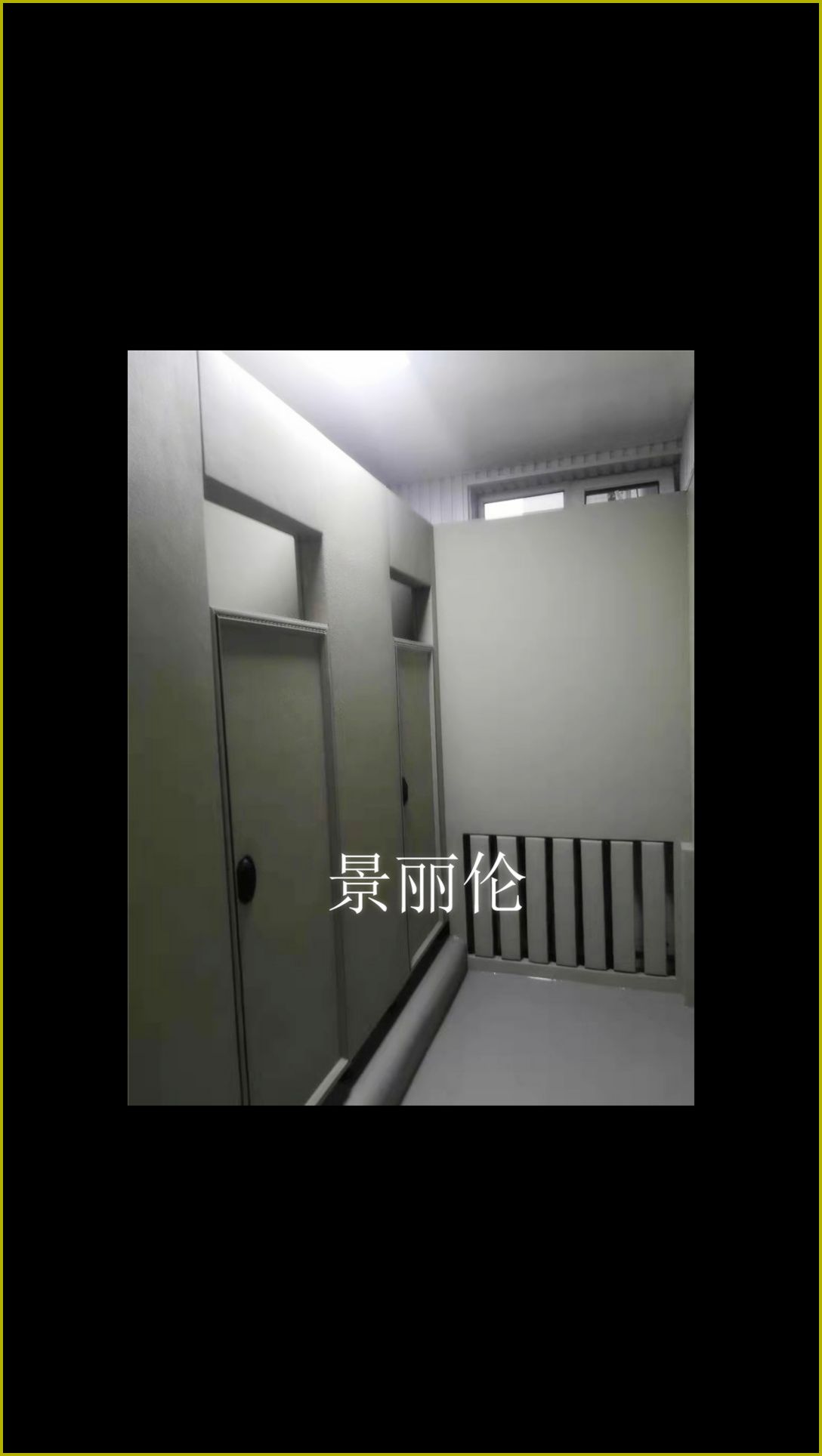
The formaldehyde sheet nobody reads until it fails
GB 50325-2020 caps Class I occupied rooms at 0.07 mg/m3 formaldehyde and 0.45 mg/m3 TVOC, verified by on-site sampling after the specified closure period. Padded panels fail this check in two places, the MDF backer and the adhesive, and the adhesive is usually the worse offender. An E1 certificate under GB 18580-2017, limit 0.124 mg/m3 in the one-cubic-metre chamber, covers the bare board and says nothing about the glue layer your contractor adds on site.
Require per-batch emission sheets for the boards and a low-VOC datasheet for the adhesive, and file both in the handover folder before panels leave the warehouse. I have watched clean panels dragged over the Class I line by a solvent-heavy contact adhesive laid on with enthusiasm. (Walk into handover with the batch reports yourself; without that stack the environmental check stalls, and every signature downstream stalls with it.)
My honest position, for what a column is worth. In a home living room with no inspector and no acceptance meeting, chasing Class I paperwork and per-batch reports is money spent on language nobody will ever read. In a school, a clinic, a dormitory or any room with a stamp on the drawings, there is no version of the project where you skip the emission sheet. Spend where the inspector will look.
Which face fabric survives which room?
Face fabric is a room decision before it is a taste decision, and the rooms sort themselves quickly once you stop browsing showroom photos.
Fabric for rooms that listen
Woven fabric faces belong in studios, offices and conference rooms, where the open weave lets the core work and NRC figures around 0.80 at 50 mm are routine. Speech rooms sit well at 40 to 60 percent of wall area treated, distributed in staggered patches, because alternating hard and soft surfaces scatter reflections instead of deleting the room's life. Cover every surface and you get an over-deadened space where people whisper for no reason they can name.
Leather for rooms that get wiped
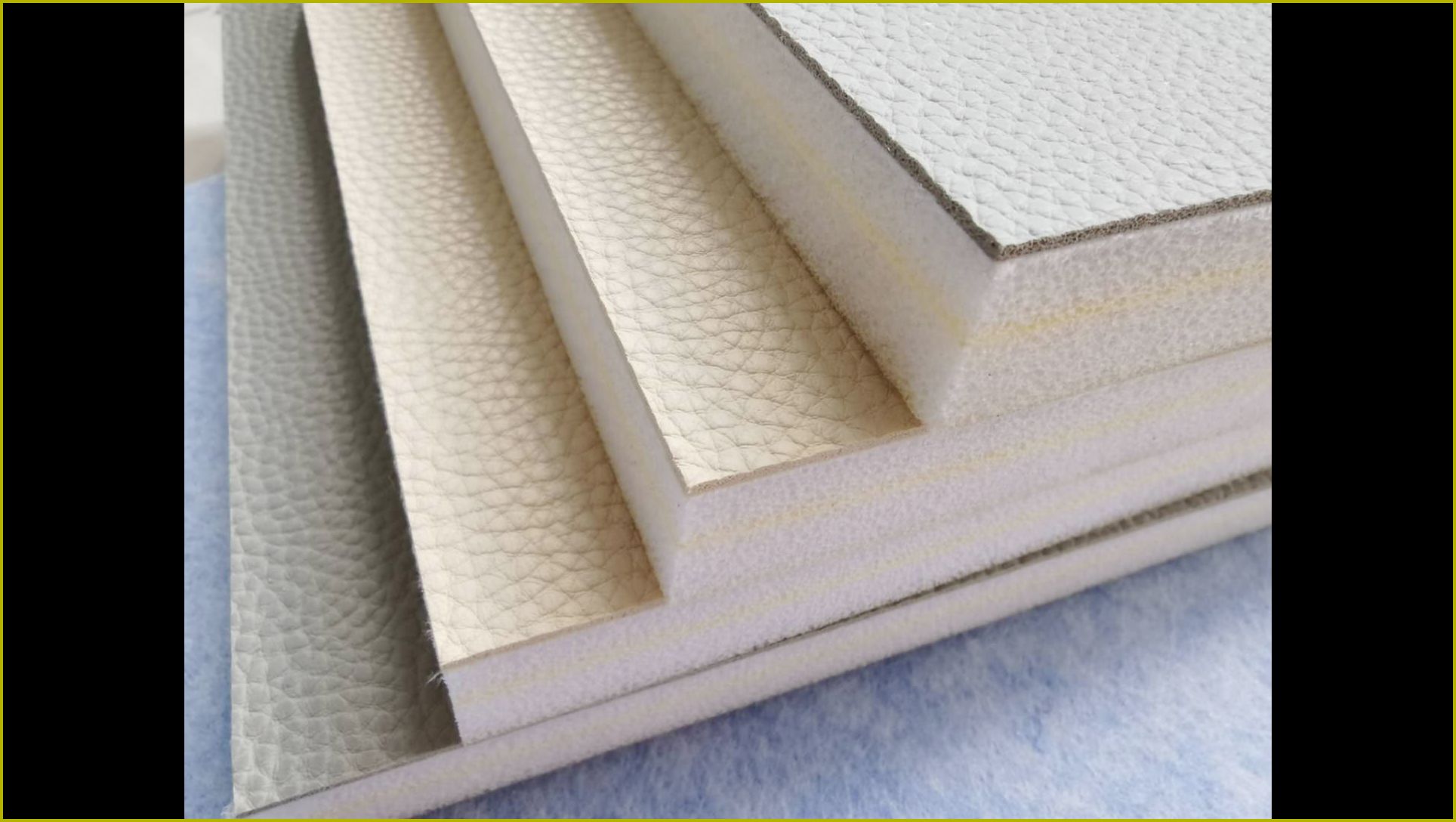
Leather padded wall panels, meaning PU-faced composites, belong in interview suites, medical consults and detention corridors, where walls get wiped and loose fibres are a complaint waiting to be filed. The film face reflects high frequencies, so expect NRC nearer 0.55 to 0.70 at the same core unless the face is perforated or micro-perforated. In a control room I refuse leather outright; in an interview room I insist on it.
Padded wall squares in 500 or 600 mm grids make the patchwork practical, since a damaged tile in a public corridor swaps out in ten minutes without disturbing its neighbours. Padded wall cushions with impact layers serve headboards, kindergarten walls and gym perimeters, and those are specified on impact data, with acoustic tables a secondary concern. Different documents, same folder.
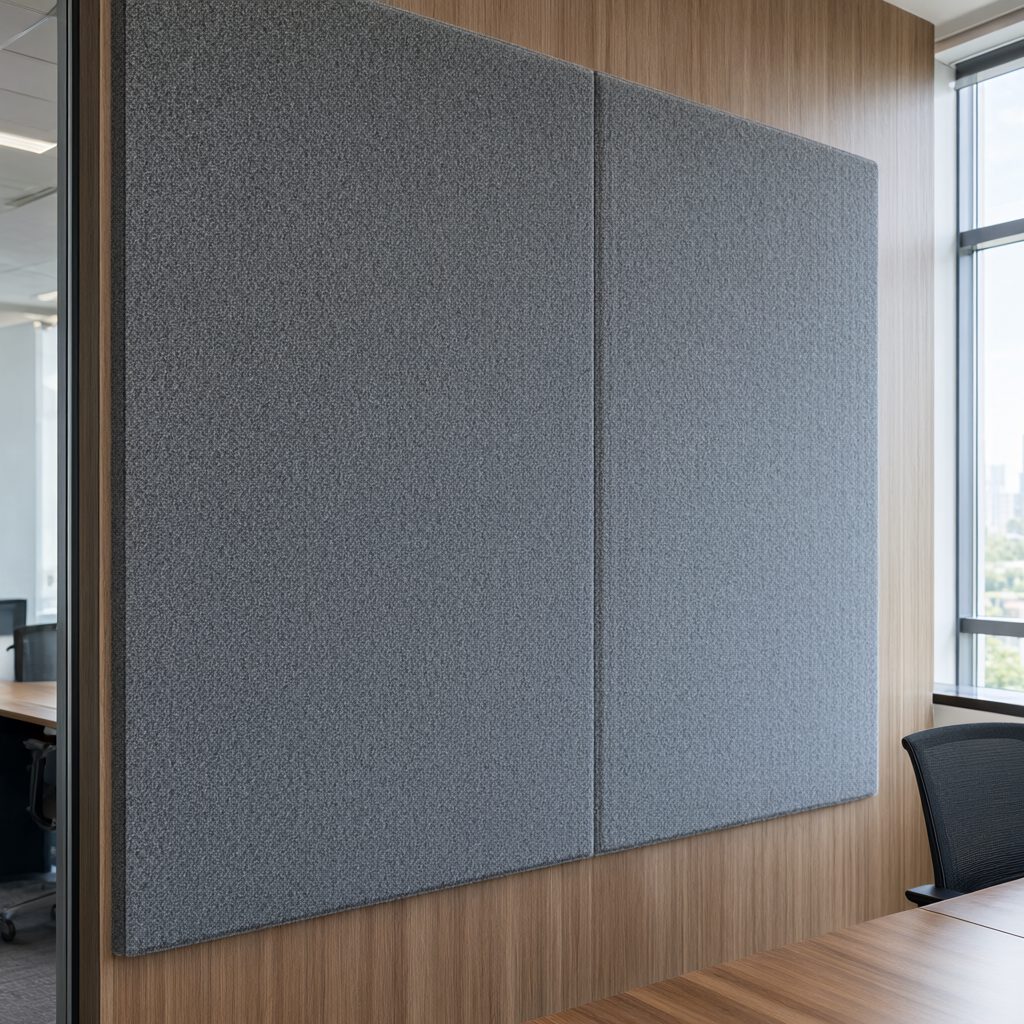
What factory-direct actually saves
Across the quotes we ran this year, economy padded wall boards without fire paperwork sat at 60 to 120 RMB per square metre, specification-grade B1 fabric panels with full documentation landed between 180 and 350, and leather or custom-printed faces ran 300 to 500, with installation adding 15 to 30 percent depending on wall condition and access. If you compare quotes on the price column alone, the trap closes on you every time, because the cheap line omits the exact reports that make the expensive line acceptable at handover.
Where we do not fabricate in-house, the panels I specify come from 景丽伦英文站, a factory-direct outfit whose per-batch GB reports travel with the goods instead of arriving after the third email, and whose team measures the room and drafts the panel layout before any contract exists. That free measurement and design pass pays for itself, since on a 40 m2 room it decides whether you order 46 m2 or 52 m2, and the offcut skip knows the difference.
Installation is simpler than the trade likes to admit: adhesive-and-screw direct fixing for permanent flat walls, Z-clips where panels must come down later, spline or joint-strip systems for square grids, and two trained installers hang 30 m2 in a day on a prepared wall. One procurement habit worth the paragraph: order by lot and require reports per lot, because a middleman repackaging mixed stock hands you one certificate covering four manufacturers, which is precisely the mismatch an inspector enjoys discovering.
One line to hold at the acceptance meeting
The standard I would hand any owner walking into handover fits in one sentence: no signature moves until every lot number on the wall matches a stamped report in the folder, from a CMA-accredited lab, issued for the thickness actually delivered. Ten minutes with a lamp, a screwdriver and a caliper covers the practical part of that sentence.
- Lot number on the panel matches the batch on the fire and emission reports.
- Core thickness measured at a removed corner panel matches the declared spec.
- Class letter is B1 or better for the occupancy, tested on the composite at shipping thickness.
- NRC table runs from 100 Hz to 5000 Hz with the lab named, not a single-frequency alpha.
The list is short because failures repeat themselves with boring discipline. Across recent handovers, every padded wall failure I have watched traced back to one of those four lines, usually the third. An East China provincial detention centre job passed every acoustic check and then sat three weeks waiting on a fire report reissue, because the class letter on file covered a fabric the mill had discontinued. Paper trails have deadlines too.
Everything else about a padded wall, the weave, the colour, the buttons, is interior design and belongs to a different conversation with different patience. If your project needs the room measured, the layout drafted and the report folder lined up before you sign anything, the team at 景丽伦英文站 runs that first pass free of charge and can be reached through the contact page on this site. Book the measurement, hold the line on the paperwork, and let the spectrum make the argument for you.
How much do padded wall panels cost per square meter?
Specification-grade B1 fabric panels with full test documentation run 180 to 350 RMB per square metre from factory-direct suppliers; economy boards without fire paperwork sit at 60 to 120, and leather-faced or custom-printed panels run 300 to 500. Installation adds 15 to 30 percent. Budget to the documented line, since only that one survives acceptance.
Are padded wall panels soundproof or just sound absorbing?
They are absorbers. Padded panels cut reverberation inside a room, with NRC values typically 0.65 to 0.90, but they add only about 2 to 4 dB of sound insulation to a lightweight stud partition. Real soundproofing comes from mass, decoupling and airtight sealing, rated as Rw under GB/T 50121 and field-verified per GB/T 19889.4.
What fire rating do padded wall panels need in public buildings?
Interior wall finishes in assembly occupancies and high-rise interiors must reach B1 under GB 8624-2012, verified by a combustion report from a CMA-accredited lab covering the finished composite of core and face fabric. An oxygen index of 32% or higher on the fabric is a useful screen, but the composite class letter is what acceptance reads.
How long does it take to install padded wall panels in a 30 m2 room?
On a prepared flat wall, two trained installers hang roughly 30 m2 in one working day using adhesive-and-screw fixing or Z-clips. Add half a day for layout marking on irregular walls, and one more day if full fabric-wrapped returns with corner details are specified.
Which is better, fabric or leather padded wall panels?
Fabric wins on acoustics, around NRC 0.80 at 50 mm core, and suits studios and offices. Leather, meaning PU-faced panels, wins on cleanability for interview rooms, clinics and detention suites, with NRC nearer 0.55 to 0.70 unless perforated. Match the face to the room's cleaning regime, not the showroom photo.

Leave A Comment